
Veit Rothhammer ✉
Veit received an MD degree from the University of Wuerzburg in Germany and was board certified in Neurology at the Technical University in Munich in 2013. Being a member of the research groups of Prof. Dr. Thomas Korn and Prof. Dr. Bernhard Hemmer, his research focused on the migration of T cells in autoimmune and pathogen mediated diseases of the CNS. He moved to Francisco Quintana’s lab at Harvard Medical School in 2014, where he studied the role of astrocytes in the context of CNS inflammation. In 2018, he moved back to Germany to become Attending Neurologist at the Department of Neurology at the Technical University Munich (Prof. Dr. B. Hemmer), where he established his independent research group supported by a Heisenberg fellowship (German research foundation, DFG) to study glial co-inhibitory signaling. He was awarded an ERC Starting grant in 2020 to investigate reparative glial mediators in tissue regeneration in MS and preclinical animal models. In 2020, he accepted an appointment as Full Professor of Neuroimmunology (W3) at the Department of Neurology (Chair Prof. Dr. Dr. Schwab) at Friedrich Alexander University Erlangen.
His main research focus is the role of glial cells such as astrocytes and microglia in acute and chronic autoimmune inflammatory tissue damage with the goal of developing novel therapeutic strategies for hence untreatable stages of MS and potentially other neurodegenerative diseases.

Thanos Tsaktanis ✉
Thanos studied medicine at the Ludwig Maximilian University of Munich and started his residency in 2017 at the Department of Neurology at the Technical University Munich. In 2018, he completed his MD thesis and joined in the same year the Rothhammer lab as a clinician scientist. He is currently investigating the therapeutic effect of protective glial mediators on different stages of autoimmune CNS inflammation and tries to identify biomarkers for monitoring the course and therapy of multiple sclerosis. In September 2020, Thanos moved together with the lab to its new location in Erlangen.
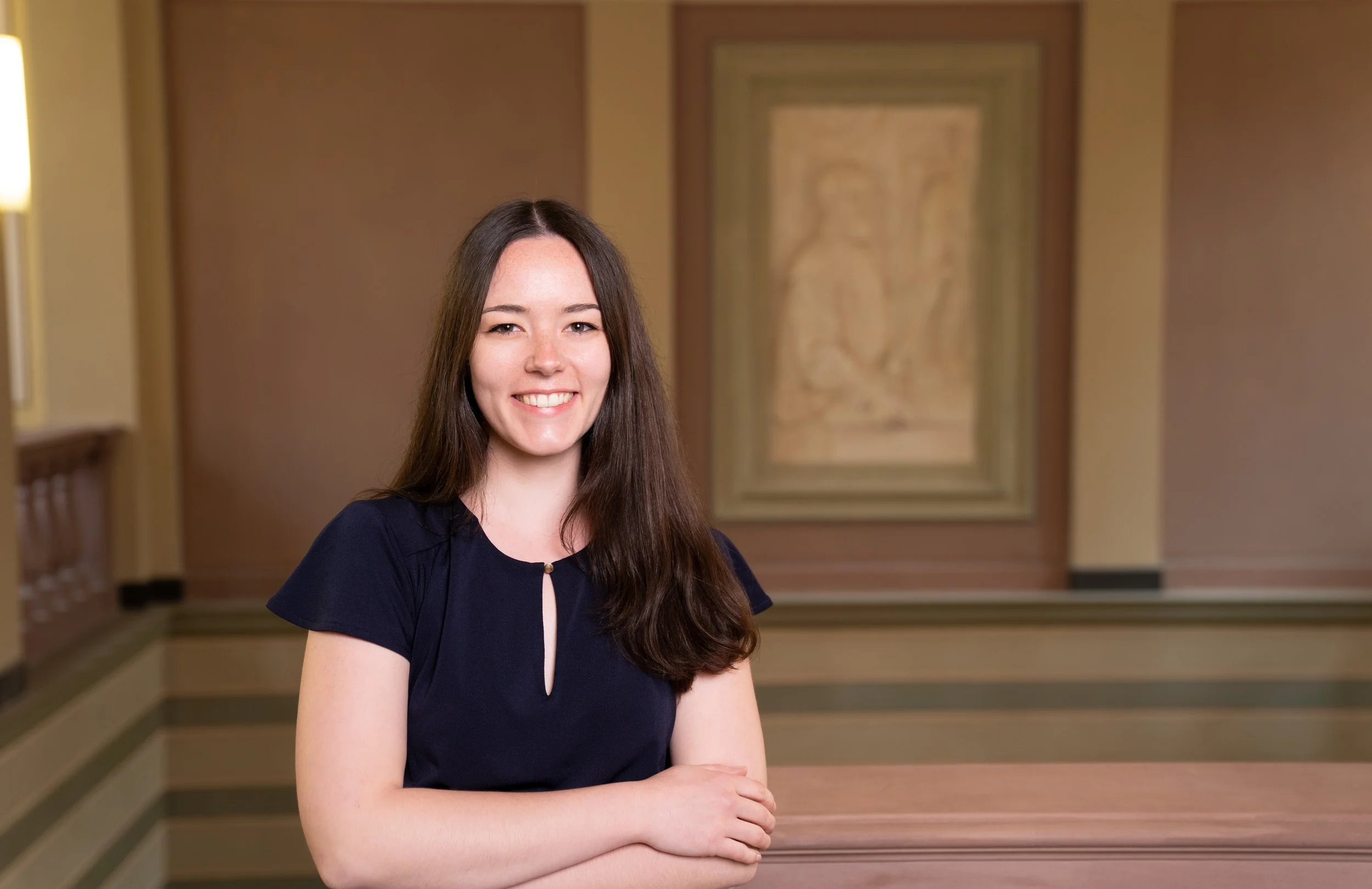
ALICIA WEIER
Alicia received her Bachelor’s degree in Biology at the Friedrich-Alexander-University Erlangen-Nürnberg. She continued with a Master’s in Cell and Molecular Biology and specialized in Immunobiology and Autoimmunity. She completed her Master’s thesis in the lab of Stefanie Kürten, where she worked on the encephalitogenic potential of bovine casein-specific antibodies. She then pursued her PhD in Stefanie Kürten’s lab at the University of Bonn. As part of a joint PhD program with the University of Melbourne, she spent one year in the lab of John Furness. In both labs, her research focused on the role of intestinal muscularis externa macrophages in the local and systemic immune response in a mouse model of multiple sclerosis. In November 2025, she joined the Rothhammer lab as postdoctoral researcher, focusing on molecular mechanisms in astrocytes following biomechanical and hypoxic changes.

Nishada Ramphal
Nishada received a Bachelor’s degree in Biomolecular Sciences from Hogeschool Utrecht and continued her academic journey with a Master’s in Neurobiology, specialising in Molecular Neurosciences at the University of Amsterdam (UvA). During her Master’s, she performed an internship at the University of Utrecht, where she studied the process of early axon development in neurons. She then went on to complete her Master's thesis at the University of California, San Diego (UCSD), researching the impact of mutations in cell polarity genes on neurodevelopmental disorders, such as autism. She then pursued her PhD at Johannes Gutenberg University Mainz under the supervision of Prof. Ari Waisman, where she studied how the non-canonical NF-κB pathway shapes the immune response of microglia and other myeloid populations in the development of autoimmune neuroinflammation. In April 2025, she joined the Rothhammer lab as a postdoctoral researcher to investigate the molecular mechanisms underlying metabolic regulation and immune signalling in astrocytes.

Anne Peter
Anne received her bachelor’s degree in Molecular Medicine at the Friedrich-Alexander-University Erlangen-Nürnberg, where she worked in the laboratory of Stephan von Hörsten on the characterization of a preclinical animal model of Parkinson´s disease. During the time of her master´s program in Molecular Medicine, she performed an internship in the group of Åsa Petersén at the Translational Neuroendocrine Research Unit, Lund University (Sweden) focusing on the hypothalamic pathology in Huntington’s disease. Anne accomplished her master´s thesis in the group of Ruth Beckervordersandforth at the Institute of Biochemistry working on the regulation of neuronal and astrocytic fate decisions in the adult hippocampus. Since February 2022, Anne is a PhD student in the Rothhammer lab to investigate inflammation-modulating factors governed by glial cells and their impact on autoimmune CNS inflammation.

Oliver VANDREY ✉
Oliver obtained his bachelor’s degree in applied chemistry with the focus on biochemistry at the Nuremberg Institute of Technology and the Friedrich-Alexander University Erlangen, where he worked in the group of Wei Xiang on the aggregation behaviour of α-synuclein in dopaminergic neurons in Parkinson’s disease. He continued his education at the Nuremberg Institute of Technology and completed his master’s thesis at the Technical-University Munich by working in the group of Selina Keppler at the TranslaTUM on the role of the actin cytoskeleton in dendritic cell function and the regulation of Dectin-1 signalling. Afterwards he joined the R&D department of infectious diseases at Roche Diagnostics in Penzberg, to broaden his scientific knowledge in the field of industrial research. In June 2021, Oliver joined the Rothhammer lab to return to his scientific roots and work on epigenetic changes in the context of autoimmune neuroinflammation.

Julia Zissler
Julia obtained her bachelor's degree at the University of Regensburg in Prof. Seufert's research group, where she characterised phenotypic and metabolic changes of protein biosynthesis mutants in yeast. She continued her education as part of the elite master's programme in Integrated Immunology at the Friedrich-Alexander-University, and deepened her expertise during a stay abroad in the laboratory of Dr.
Weichhart at the Medical University of Vienna, working on the metabolic profile of resident tissue macrophages. Julia joined the Rothhammer Lab April 2023 for her master's thesis focusing on gene expression of astrocytes in the context of an altered micriobiome. Graduating as valedictorian, she subsequently started her PhD and started focussing on astrocytic extracellular vesicles and their variations.

Vivienne Riekher
Vivienne is a PhD student at the Rothhammer lab who received her Bachelor's degree in Biology at the Institute of Microbiology, Infection and Hygiene at the Friedrich-Alexander-University Erlangen-Nuremberg in the research group of Prof. Dr. Jochen Mattner, where she investigated the role of L-arginine metabolism in the pathogenesis of Salmonella Typhimurium. She continued her studies in the Integrated Immunology Master's Program of the Elite Network Bavaria, during which she carried out an internship in the Ashouri-Sinha laboratory at the University of California San Francisco (UCSF) in California (USA). There, she researched the expression of co-stimulatory receptors on T cells in different mouse models of rheumatoid arthritis. She completed her Master’s with her thesis on the influence of CD83 on microglia in neuroinflammation and neurodegeneration at the Department of Immunomodulation in the laboratory of Prof. Dr. Alexander Steinkasserer. Since December 2024, Vivienne is studying the function of leukemia inhibitory factor (Lif) and its receptor in glia cells and the role of long-lived RNAs in different experimental settings.
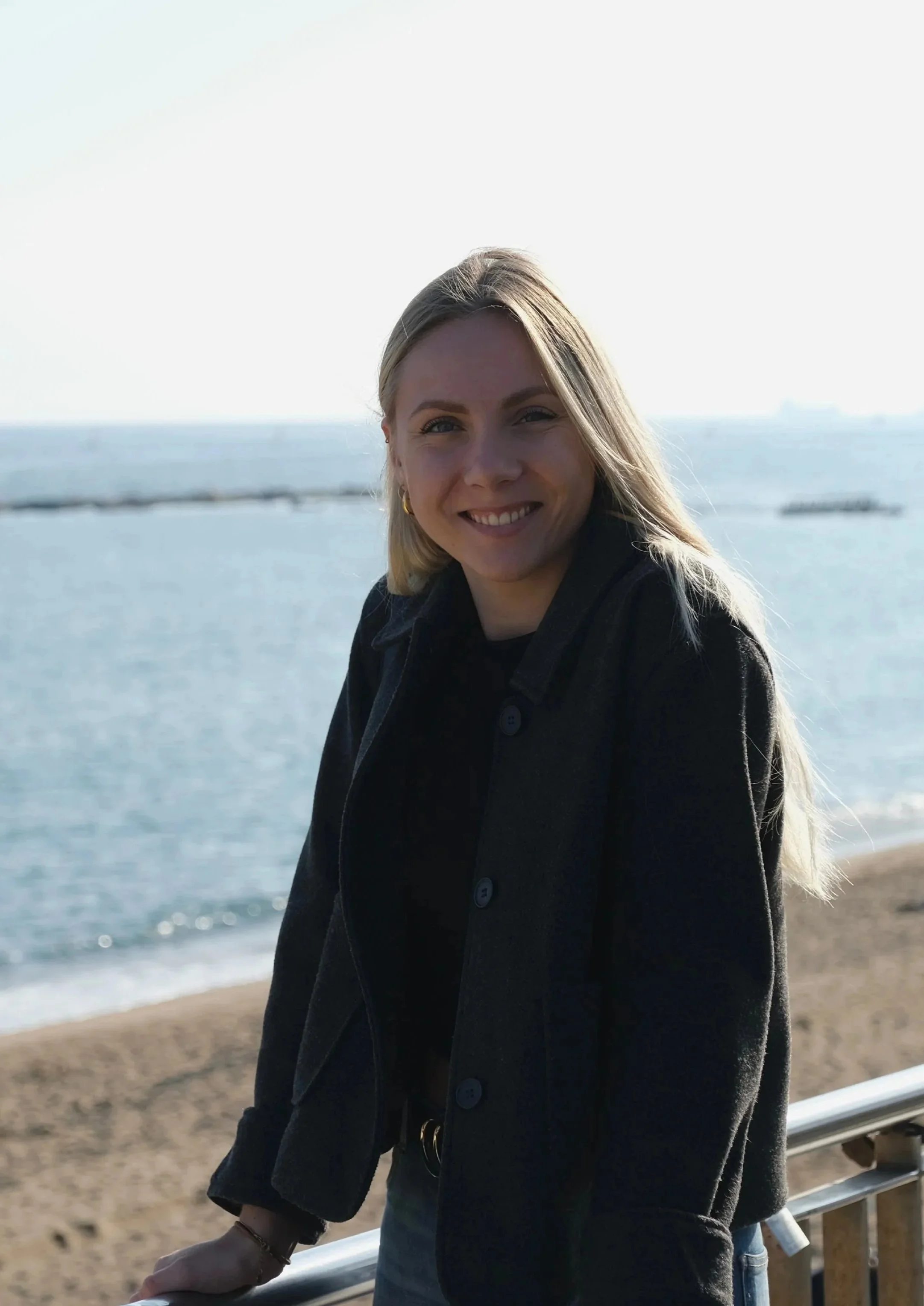
lotta neubing
Lotta studied Molecular Medicine at the Friedrich-Alexander-Universität Erlangen-Nürnberg (FAU), where she completed both her bachelor’s and master’s degrees. During her master’s studies, she spent six months at the SJD Research Institute in Barcelona in the Department of Neurogenetics and Molecular Medicine. She subsequently joined the Rothhammer Lab for her master’s thesis, focusing on the regulation of HIF-α isoforms in astrocytes in the context of multiple sclerosis.
Since April 2026, she has been a PhD student in the Rothhammer Lab, continuing this line of research. Her work focuses on how different HIF-α isoforms (HIF1α, HIF2α, and HIF3α) shape astrocyte responses to hypoxic and inflammatory stress, with a particular interest in their role in progressive multiple sclerosis.
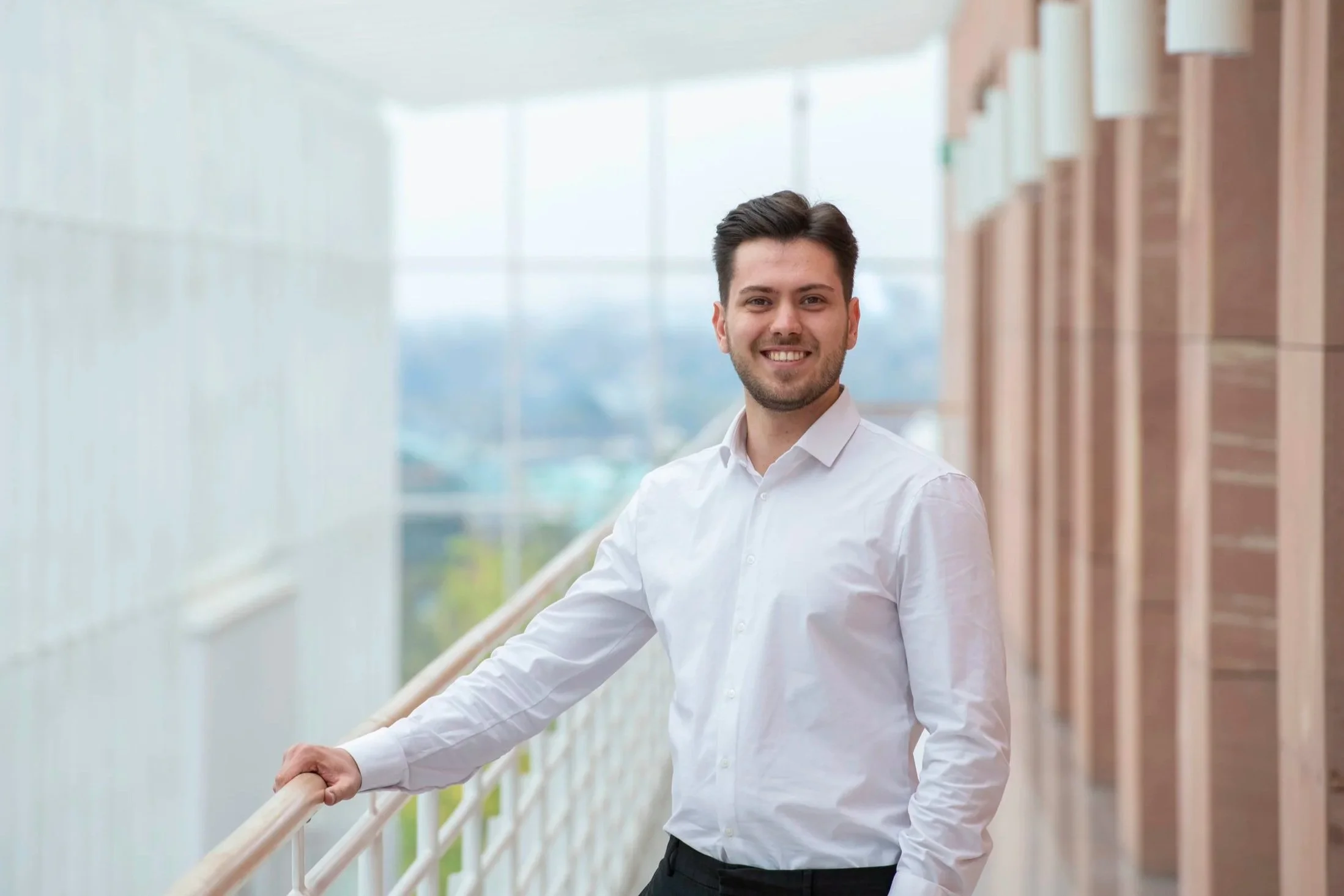
alessandro grasso
Alessandro obtained his bachelor’s degree in Biotechnology at the University of Applied Sciences Weihenstephan-Triesdorf, where he joined the laboratory of Prof. Ramming and investigated the role of the transcription factor PU.1 in ILC2. He subsequently pursued a Master’s degree in Cell and Molecular Biology with a specialization in Immunology and Autoimmunity, further deepening his interest in immune mechanisms. In August 2025, Alessandro joined the Rothhammer Lab for his master’s thesis, where he focused on the role of AhR signaling in TIM-1⁺ regulatory B cells. Following the successful completion of his master’s degree, he continued in the Rothhammer Lab as a PhD candidate, where his current research centers on the functional characterization and immunomodulatory role of TIM-1⁺ regulatory B cells within AhR-dependent pathways.

Leander Ammon
Leander began his medical studies at Friedrich-Alexander-University Erlangen-Nürnberg in the spring of 2021, after completing his radiographer training and working at Freiburg University Hospital for several years. In March 2024, Leander joined the MD-thesis graduate program at the Interdisciplinary Center for Clinical Research Erlangen (ICCF) and became a member of the Rothhammer Lab. His research focuses on developing new biomarkers for monitoring the progression and treatment of autoimmune and inflammatory diseases, particularly neuromyelitis optica spectrum disorders.
Abdunur turar
Abdunur began his medical studies in summer 2023 at Friedrich Alexander University Erlangen-Nürnberg. He is interested in neurology and has completed multiple internships in neurology and neurosurgery. In March 2026, he joined the lab of Prof. Rothammer as an MD student. His research focuses on AHR-controlled immunomodulation in the meningeal B cell–glia compartment: a translational approach to the treatment of progressive multiple sclerosis
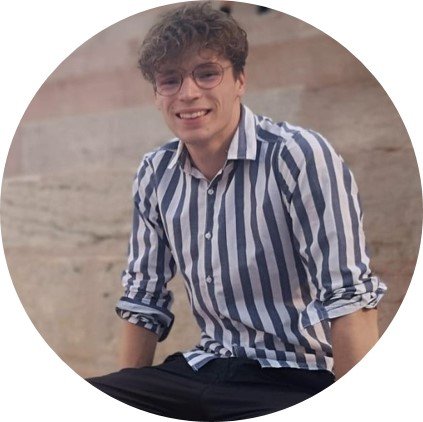
Justus Hercher
After achieving his A-Levels in Nuremberg in 2017 and completing internships in the medical field, Justus began his study of medicine at the Charles University of Prague in Pilsen. After receiving the offer from University of Erlangen-Nürnberg Justus continued his academic pursuits and completed his M1 governmental exam in 2021 at the University of Erlangen-Nürnberg, where he is currently studying. Justus gained practical experience in the medical field through his internships at Klinikum Nürnberg Nord and Dr. Erler Klinik, both in Nuremberg, where he worked in orthopedics. During the COVID-19 crisis, he also assisted with crisis management in healthcare at the Nuremberg health department. Justus continued his involvement in healthcare by joining the Microbiological Institute of University Hospital Erlangen, where he served as a SARS-CoV-2 Specialist Information Service for Hospital Staff. He is currently working at the Institute of Experimental and Clinical Pharmacology and Toxicology of University Erlangen. In 2023, he joined the lab of Prof. Rothhammer for his dissertation thesis. The research is focused to investigate the protective effects mediated by hypoxia on glia in inflammatory CNS-disease.

Ulrike Naumann ✉
Ulrike finished her education as a biological-technical assistant in 2002 and has since then worked as a technician in different research labs in Erlangen. She now joined the Rothhammer lab in September 2020 and brings in her broad expertise in different techniques.

Alexandru Rotaru
Alexandru is currently completing his Bachelor’s degree in Biology at Friedrich-Alexander-University Erlangen-Nürnberg. With a strong interest in neurological diseases and autoimmunity, he joined the Rothhammer lab in November 2024 to conduct his bachelor’s thesis, focusing on the development of a method to characterize nuclear components linked to astrocyte dysfunction in neuroinflammation. Since March 2025, Alexandru has been supporting various projects through his role as a student research assistant.

Nicole Montag
Nicole received her bachelor's degree in Molecular Medicine at Friedrich-Alexander University (FAU) Erlangen-Nürnberg in 2023. She conducted her thesis in the lab of Prof. Friederike Zunke, focusing on the optimization of the α-synuclein seed amplification assay for the early detection of Parkinson's disease. Thereafter, she continued her studies in Molecular Medicine in the master's program at FAU. The program included more practical experience that she completed in an internship in Prof. Anna Överby's lab at Umeå University in Sweden, where she investigated tools to study the tick-borne encephalitis virus, with particular emphasis on its neurotropic characteristics. After completing an internship at the Rothhammer lab as well, Nicole rejoined the group in May 2025 for her master’s thesis. She is currently working on the role of PD-L1 and hypoxic neuroinflammation in multiple sclerosis and stroke pathology.

Felix Fröhlich
Felix began his medical studies at the University of Regensburg in autumn 2021, after completing his A-levels in Neumarkt/Opf.In March 2025, he joined the Lab of Prof. Rothhammer at FAU Erlangen-Nürnberg as an MD dissertation student. His research focuses on the role of the Aryl-Hydrocarbon-Receptor (AHR) in affecting the phenotype and function of human B cells in patients with Multiple Sclerosis.

Karl Ama
Karl is a guest researcher from Tibet, working on the impact of saliva on neuroinflammation. He obtained his PhD at the University of Applied Sciences in Tibet. In his recent publication, which appeared in the Journal of Lamoids, he describes the role of Cameloids as producers of antibodies.
Alumni
Dr. Mathias Linnerbauer
Dr. Lena Lößlein
Ana Cirac
Tobias Beyer
Lucy Nirschl
Alexander Beer
Nora Schwingen
Emely Neumaier
Alicia Martinek
Finnja Zuber
Eva Zachmeier